About me

I’ve spent twenty-five years navigating complex commercial situations across Europe — closing deals, originating them, and asking the one question most advisors skip: why does this situation exist, and why now? Clearly understanding the situation at hand is where I usually add the most value.
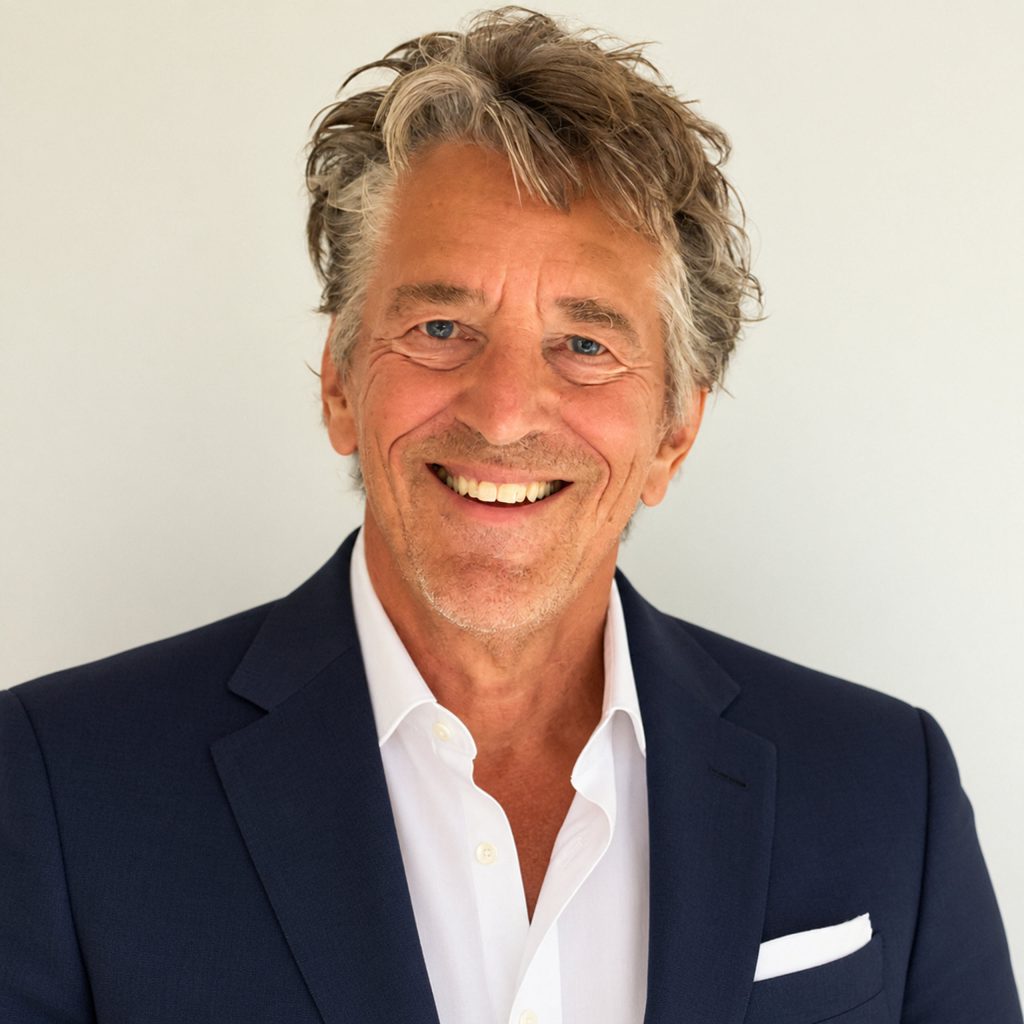
My background

My career started with a mismatch: a master’s in physical chemistry, while earning a living as a freelance programmer. After graduation in 1988, I became IT project leader for Gasunie and later project manager at Pinkroccade.

In 1995, Sdu’s board brought me in as CIO after rescuing a strategic IT project that was about to fail: their first electronic publishing product — one that, remarkably, still runs today. Later, at Akzo Nobel I led a 60-person team through global IT infrastructure projects.

I started in IT sales in 2000 — worlds apart, but the analytical habits stuck. Until 2023, I developed and closed international outsourcing deals at Atos, working mostly across the Nordics and Benelux, at a personal pace of roughly €10M to 100M in signed contracts yearly.

Personal

A few other things worth knowing: I studied physical chemistry at the University of Groningen, with a minor in computer science and philosophy of science, and I work comfortably in Dutch, English, and German.

Over the years I’ve done a broad range of executive programs; the ones that stuck with me most were London Business School’s courses on negotiation and strategy in 2012 and 2013 because they explained why the instincts I’d already built actually worked.I’m drawn to the frontier of things — innovative projects and untrodden paths — which is also why I travel extensively.

Why Moonshot Lab

A ‘moonshot‘ isn’t a wild swing — it’s an audacious goal pursued with real precision and preparation. That’s the discipline behind this practice: I don’t take on every commercial situation that comes my way, but the ones I do take on, I engage with fully, aiming for the outcome that actually moves the needle rather than the safe, incremental one.

Lab‘ is a nod back to where I started, in a chemistry lab, where you don’t assume the outcome, you test it. I bring the same attitude to commercial situations: form a hypothesis about what’s really driving them, and only proceed once I truly understand what’s going on.

How I work

Most advisors answer the question they’re asked. I’ve learned the more useful move is often to ask a different one first: why this question, from this person, at this moment? That diagnostic pause — before proposing a direction, a structure, or a next step — is usually where the real value sits.

It’s also, I’ve found, the thing clients remember most: not the answer I eventually gave, but that I took the time to understand what they actually needed before giving it.

The same instinct shapes how I use AI in my own work. I follow developments closely and use it operationally — for faster analysis, sharper preparation, better deliverables — but it isn’t my headline offering. When a client’s question touches on AI, I apply the same method as anywhere else: what’s the real commercial challenge underneath it, and what opportunities or risks does it actually create for this situation?

Scroll to Top